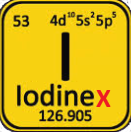
The aerospace and defense sectors demand materials that perform reliably under the most extreme conditions—high vibration, rapid temperature swings, radiation exposure, and chemical attack. Iodine-based compounds are quietly present in multiple critical systems.
Solid Propellant Additives: Iodine is being investigated as a non-toxic alternative to hydrazine in satellite propulsion. Iodine-based thrusters (using heated iodine gas) provide efficient impulse for orbital maneuvering without the extreme handling hazards of traditional propellants. SpaceX and other launch providers are evaluating this technology.
Radiation-Shielding Composites: For electronics destined for space or nuclear environments, iodine-doped polymers offer enhanced radiation attenuation. The high atomic number of iodine (Z=53) makes it effective at absorbing gamma rays and X-rays. These composites are lighter than lead and easier to mold into complex shapes.
Corrosion-Resistant Coatings: Iodine-based conversion coatings protect magnesium and aluminum alloys used in aircraft fuselages and missile bodies. The iodide ion forms a passive layer that resists salt spray (critical for naval aviation) and galvanic corrosion.
Optical Systems: Iodine-filled gas cells are used as wavelength references for laser rangefinders and targeting systems. The hyperfine transitions of iodine vapor provide ultra-stable calibration points for precision optics.
Raw Material Specs: Defense applications require traceable, conflict-free sourcing. Certificates of analysis must include isotopic purity (for certain uses), heavy metals (below 10 ppm), and absence of military-prohibited substances. Suppliers may need ITAR compliance or similar export control registration.
Strategic Value: Supplying iodine to aerospace and defense is not high-volume, but it is high-prestige and recession-resistant. Long-term contracts are typical, and customer relationships span decades.