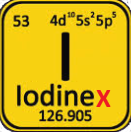
Iodine is not just for humans. In animal nutrition, this essential trace mineral is a critical raw material for premixes and feed additives. Livestock, poultry, and aquaculture species require iodine for proper thyroid function, which directly regulates metabolism, growth, and reproduction.
Why It Matters: Iodine deficiency in animals leads to goiter, reduced milk production in dairy cows, low egg-laying rates in poultry, and high mortality in newborn piglets and lambs. Conversely, excess iodine can be toxic, so precise formulation is key.
Forms Used: The most common raw material grades are Calcium Iodate (preferred for its stability in hot, humid conditions) and Ethylenediamine Dihydroiodide (EDDI). Potassium Iodide is also used but is less stable.
Market Demand: With the global push for higher-yield and healthier livestock, the demand for iodine-fortified feed has risen steadily. For manufacturers of animal feed, sourcing a reliable, high-purity iodine raw material with a certificate of analysis is non-negotiable. It ensures uniform distribution in feed pellets and prevents deficiency-related economic losses.
Takeaway: Investing in quality iodine raw material for animal nutrition directly translates to healthier herds, lower veterinary costs, and improved farm profitability.