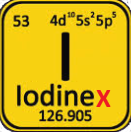
When most people think of iodine, they imagine a brown antiseptic or purple vapor. But as a raw material, iodine plays a specialized role in the synthesis of high-performance organic dyes and pigments. For manufacturers serving the textile, ink, and plastics industries, this is a valuable niche.
The Chemistry: Iodine is used as a catalyst in the production of phthalocyanine dyes (the brilliant blues and greens found in printing inks and automotive paints). It also serves as a iodinating agent, introducing iodine atoms into aromatic rings to create heavy-atom effects that shift absorption spectra and improve colorfastness.
Why Iodine Over Other Halogens: Iodinated dyes exhibit deeper, richer shades compared to chlorinated or brominated analogs. The larger iodine atom increases electron delocalization, bathochromically shifting the color (moving it toward red on the spectrum). This allows formulators to achieve unique hues not possible with chlorine.
Key Applications:
Textile fibers: Iodinated vat dyes for cotton and wool that resist fading under UV light.
Security inks: Iodine-based compounds create optically variable features on banknotes and passports.
Plastic masterbatches: High-heat-stable pigments for polyolefins and engineering plastics.
Raw Material Specs: Dye manufacturers typically require 99.5%+ iodine with controlled levels of chlorine (below 0.02%) and heavy metals. Even trace iron can catalyze unwanted side reactions during diazotization or coupling steps.
Market Niche: While the volume is smaller than display films or animal feed, the margins are higher. Supplying iodine for specialty dyes connects you to the luxury textile and anti-counterfeiting sectors.
Supplier Tip: Offer small-pack sizes (1–5 kg) for laboratory color development alongside bulk drums for production. Dye houses appreciate this flexibility.