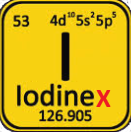
Leather goods—from car interiors to luxury handbags—undergo harsh processing steps before becoming finished products. Fungal growth is a constant threat to wet hides, ruining entire batches. The unsung hero in many tanneries? Iodine-based biocides.
The Problem in Tanneries: After animal hides are stripped and cleaned, they remain wet for hours or days before tanning. This warm, protein-rich environment is a perfect breeding ground for fungi like Aspergillus and Penicillium. Mold spots permanently stain leather, create bad odors, and weaken structural integrity. A single contaminated batch can cost tens of thousands of dollars.
The Iodine Solution: Iodophors (iodine complexed with surfactants) are applied as a “soak” or “float” treatment during hide preservation. Iodine slowly releases over 24–48 hours, providing sustained antifungal and antibacterial activity. Unlike many synthetic biocides, iodine does not accumulate in tannery wastewater—it degrades to harmless iodide.
Why Tanneries Choose Iodine:
· Broad spectrum: Effective against fungi, bacteria, and yeast
· No resistance: Microorganisms cannot easily develop resistance to iodine
· No staining: Correctly formulated iodophors leave no permanent color on hides (unlike some copper-based biocides)
· **Low toxicity to workers compared to formaldehyde-based alternatives
Raw Material Needed: Tanneries buy iodophor concentrates typically containing 5–10% available iodine. Manufacturers of these concentrates require pharmaceutical-grade or high-purity technical-grade iodine (99.5%+). The surfactant carrier (often non-ionic detergents) must be compatible with subsequent tanning chemistry.
Quality Specifications for Iodine Raw Material:
· Assay: 99.5% minimum
· Chlorine and bromine: below 0.05%
· Non-volatile residue: below 0.1%
· Heavy metals: below 50 ppm
Market Opportunity: The global leather industry processes over 2 billion hides annually. Even a small percentage of tanneries adopting iodine-based preservation represents steady, repeatable demand. Position your iodine as a solution for “cleaner, safer, more sustainable leather.”
The Sustainability Angle: Iodine-based biocides are increasingly preferred over persistent synthetic fungicides (like tributyltin, now banned in many countries). Iodine breaks down naturally, does not bioaccumulate, and does not create toxic byproducts in tannery effluent. For leather brands chasing “green” certifications, iodine is an attractive choice.
Supplier Tip: Offer technical support on proper application rates (typically 50–200 ppm active iodine) and compatibility testing with common tanning agents (chromium, vegetable tannins, syntans). Tanneries value suppliers who help them avoid expensive mistakes.