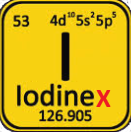
Betadine is one of the most recognized antiseptic brands in the world. It is the dark brown solution that doctors use to clean skin before surgery, that patients apply to wounds, and that hospitals rely on for disinfection. But what exactly is Betadine, and how is it manufactured? The answer starts with two raw materials: iodine and povidone. For reliable access to high quality povidone iodine and Betadine related products, visit pvpi.ir.
What Is Betadine?
Betadine is the brand name for a specific formulation of povidone iodine, also known as PVP-I. The active ingredient is a complex of elemental iodine with polyvinylpyrrolidone, a polymer that acts as a carrier. This complex contains about 10 percent available iodine, which is the portion that provides antimicrobial activity. The remaining ingredients in a Betadine solution include water, surfactants, and sometimes buffers or stabilizers.
The key advantage of Betadine over older iodine antiseptics is that it releases iodine slowly and causes less skin irritation. Pure iodine solutions, like tincture of iodine, burn the skin and can cause chemical burns. Betadine is gentle enough for use on mucous membranes and open wounds while still killing bacteria, viruses, and fungi effectively.
Step One: Producing Povidone Iodine Powder
The first step in making Betadine is manufacturing the povidone iodine powder itself. This is done in a sealed reactor using two raw materials: elemental iodine and PVP K30 powder. The ratio is typically about 85 percent PVP to 15 percent iodine by weight.
The raw materials are loaded into the reactor and mixed thoroughly. The reactor is then heated to a temperature between 70 and 80 degrees Celsius. The mixture is held at this temperature for 15 to 17 hours while the reactor rotates continuously. This allows the iodine molecules to align along the PVP polymer chains and form a stable complex.
During this reaction, the color changes from the dark blue-black of elemental iodine and the white of PVP powder to a uniform yellow-brown or reddish-brown powder. The finished povidone iodine powder contains 9 to 12 percent available iodine. It is stable when stored in sealed containers away from moisture and light.
Step Two: Dissolving the Powder to Make Solution
To make Betadine solution, the povidone iodine powder is dissolved in purified water. The concentration is adjusted so that the final solution contains 10 percent povidone iodine, which provides about 1 percent available iodine. This 10 percent solution is the standard Betadine antiseptic found in hospitals and pharmacies.
The dissolution process is straightforward but requires attention to detail. The water must be purified, typically by reverse osmosis or distillation. The povidone iodine powder is added slowly while stirring. The solution is mixed until all powder has dissolved and a clear, dark brown liquid is obtained. There should be no undissolved particles.
The pH of the solution is then checked and adjusted if necessary. Betadine solutions are typically formulated at a slightly acidic pH, usually between 3 and 5, because the complex is most stable in this range. At higher pH values, the iodine can be lost more quickly. At very low pH, the solution can become irritating.
Step Three: Adding Excipients
Pure povidone iodine in water is functional, but commercial Betadine products often contain additional ingredients to improve stability, user experience, and shelf life.
Surfactants are commonly added to help the solution spread evenly on skin. These are mild detergents that reduce surface tension, allowing the liquid to wet the skin thoroughly rather than beading up. Some Betadine products also contain detergents that provide cleaning action alongside disinfection. These are called surgical scrubs and are used for preoperative hand washing.
Buffers may be added to maintain the pH within the optimal range over time. This prevents the solution from becoming too acidic or too alkaline during storage, which could reduce effectiveness or cause irritation.
Some formulations include emollients or moisturizers to reduce skin dryness. Repeated use of any antiseptic can dry the skin, and these added ingredients make the product more comfortable for healthcare workers who scrub many times per day.
Water is always the main ingredient by volume. A typical 10 percent Betadine solution contains approximately 90 percent water, 10 percent povidone iodine, and small amounts of other ingredients.
Step Four: Quality Control Testing
Every batch of Betadine must pass multiple quality tests before it can be released for sale. The most important test is the determination of available iodine content. This is done by iodometric titration. A sample of the solution is titrated with sodium thiosulfate until the color changes. The volume of titrant used reveals how much active iodine is present. The result must fall within a specified range, typically 0.9 to 1.2 percent for a 10 percent solution.
The pH of the solution is measured. It must meet the product specification, usually between 3.0 and 5.0. Viscosity may be tested for gel or cream formulations to ensure proper consistency. Preservative effectiveness testing confirms that the product does not support microbial growth during use. Stability testing involves storing samples at elevated temperatures, typically 40 degrees Celsius, for several months to predict shelf life. A properly manufactured Betadine solution remains stable for 24 to 36 months.
Step Five: Packaging
Betadine solutions are packaged in various containers depending on the intended use. Small plastic bottles with flip top caps are used for consumer first aid. Larger bottles with pump dispensers are used in hospitals. Single use applicators and swab sticks are packaged individually for surgical preparation. The packaging material must be compatible with the product. Some plastics can absorb iodine or become discolored. High density polyethylene and glass are commonly used.
The filling process must be clean but does not require full sterility for most Betadine products because the antiseptic itself kills microorganisms. However, products labeled as sterile are filled under aseptic conditions and may be terminally sterilized by radiation or other methods.
Different Betadine Formulations
Beyond the standard 10 percent solution, Betadine is available in several other forms. The surgical scrub contains a detergent that allows the product to foam when rubbed on skin. It is used for preoperative hand washing and provides both cleaning and disinfection. The cream or ointment is a semisolid formulation used for wound care and burn treatment. It stays in place longer than a liquid solution. The mouthwash and gargle are diluted solutions used for oral infections and sore throats. The vaginal douche is a lower concentration solution for feminine hygiene. The prep pad is a small pad pre moistened with Betadine solution for convenient single use skin preparation.
Each formulation requires adjustments to the basic manufacturing process. Creams require heating and blending of oils and water phases. Scrub products require careful selection of surfactants that are compatible with povidone iodine. But the core active ingredient remains the same: povidone iodine made from high purity iodine and PVP.
Conclusion
Betadine is a sophisticated pharmaceutical product that starts with simple raw materials. Elemental iodine and PVP powder are reacted to form povidone iodine. This powder is dissolved in purified water, adjusted for pH, and sometimes supplemented with surfactants or other excipients. Every batch undergoes rigorous quality testing to ensure consistent available iodine content and stability. The result is a safe, effective, and gentle antiseptic trusted by healthcare professionals worldwide. For production and supply of povidone iodine and Betadine related products, visit pvpi.ir.